

Planning to Shift Homes? Don’t Forget Your Aadhaar Address Update
Relocating to a new home often involves updating several important records, and Aadhaar is one of the most important among them. Whether moving to a different city, rented apartment, or permanent residence, keeping Aadhaar address details updated can help avoid future verification issues and service delays.
Corporate NPS or Individual NPS: Which Approach is Better for You?
Building a secure financial wealth for your future is essential in today’s fast-moving world. This is why many individuals have turned to the National Pension System (NPS), as it is a government-backed, market-linked voluntary retirement pension scheme. The NPS has completely changed its perception of retirement planning and long-term wealth creation for retirement.
Investment Strategies to Maximize Your Wealth with NPS Contribution
Thinking about life after retirement? To relax, travel and spend time with family or friends, an individual needs a reliable way to grow their savings.
With the recent updates in the National Pension System ecosystem, one can plan their investment strategies for wealth creation seamlessly. However, the way an individual invests their money matters in building a large retirement fund.
What is Corporate NPS? Key Features, Tax Advantages and How it Works Under the New Regime?
Are you looking for a smart way to minimise your tax burden while building a retirement corpus? If you have recently transitioned to the new tax regime, the tax-saving options may have reduced. With traditional deductions like Section 80C under the old tax regime out of the picture, is there a way to save tax on your salary?
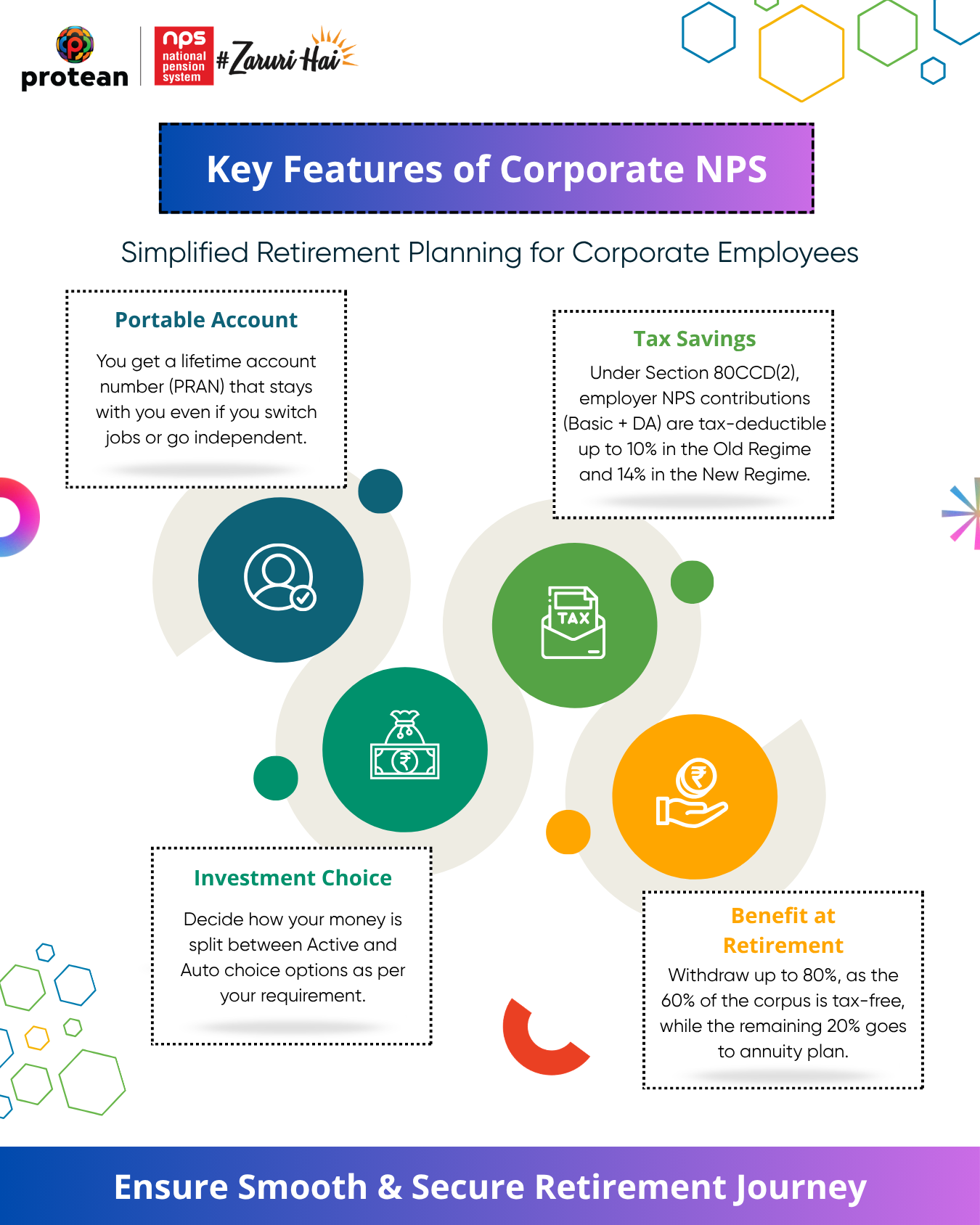
Key Features of Corporate NPS for Employees
Protean Appoints Mr. Ajay Rajan as Managing Director & CEO
A new chapter is beginning at Protean eGov Technologies Limited, as a pioneer and market leader in building Digital Public Infrastructure (DPI), we are happy to announce the appointment of Mr. Ajay Rajan as our new Managing Director & Chief Executive Officer, effective 1st June, 2026.
Protean has been integral to India’s digital and financial infrastructure journey for more than three decades. By creating population scale platforms, we have worked on consistently to expand access, enabled inclusion and supported the delivery of essential services.
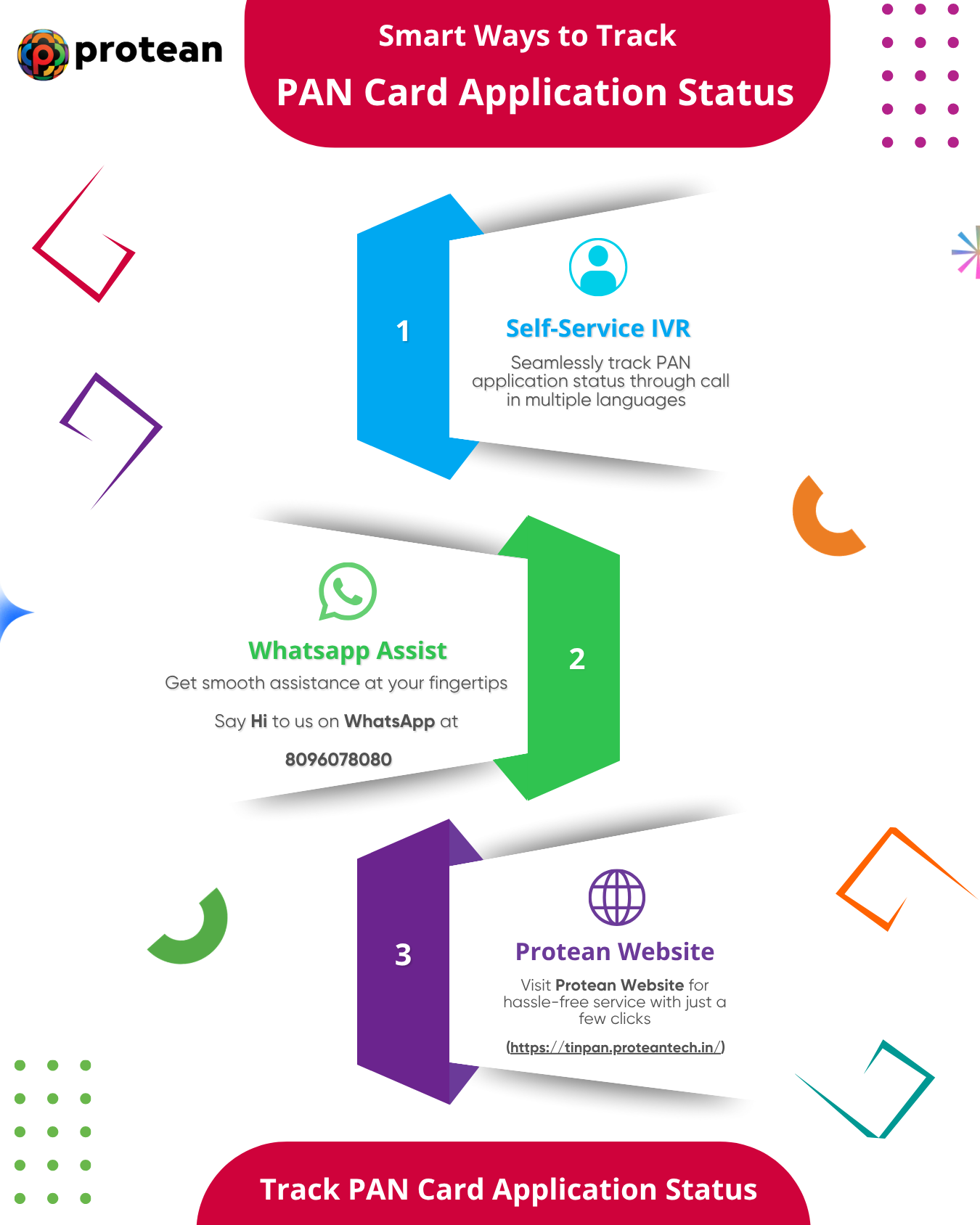
Smart Ways to Track PAN Card Application Status
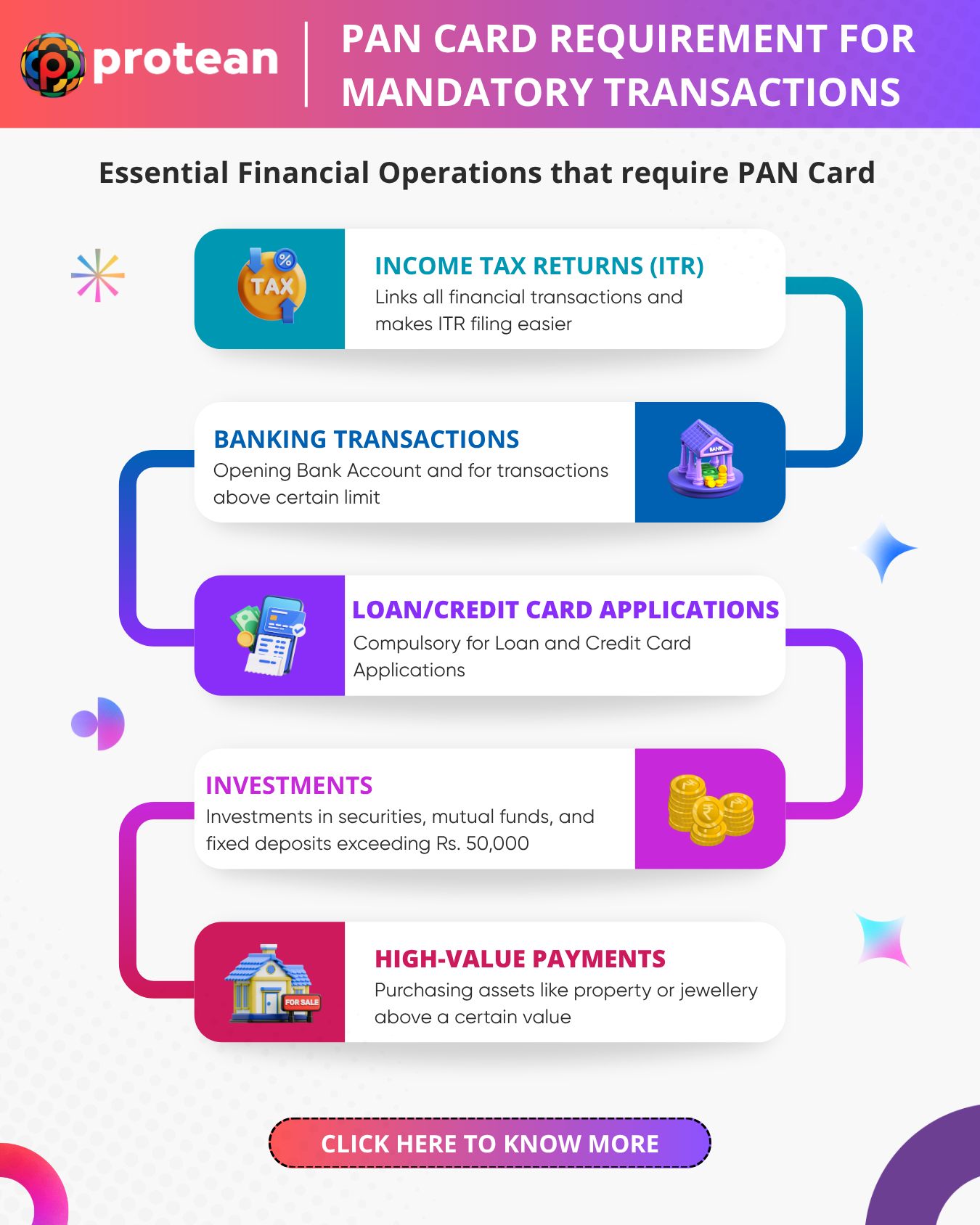
PAN Card Requirement for Mandatory Transactions
Aadhaar for Senior Citizens – Why Regular Updates Matter More Than Ever
Aadhaar plays an important role in helping senior citizens access banking services, pension systems, healthcare schemes, telecom services, insurance, and government welfare programs. For elderly citizens especially, maintaining updated Aadhaar information helps ensure smoother verification and uninterrupted access to essential services.
How Bulk and Multi-Party Workflows Accelerate Transaction Completion
Many transactions require multiple signers and approvals in today’s digital ecosystem. Business transactions can get interrupted due to a missing signature and may create compliance issues. It is important for businesses to execute structured workflow management for high-volume processes.
Switching from manual tracking to structured workflows ensures documents are executed properly.
Let us understand how leveraging bulk and multi-party workflows can eliminate operational challenges and accelerate transaction completion rates.