In 2026, slow, manual processes have become things of the past.
Paper-based stamp duties and physical signatures carry risks to operational efficiency and security.
Companies can combine digital e-stamping with an Aadhaar eSign to execute legally binding contracts in minutes. Thus, the government can prevent the issue of counterfeit stamp papers.
There is a competitive advantage that your business can gain by integrating these tools into your core workflows. With signature verification online systems physical visits to government offices for stamp duty payment can also end. With this transition your organisation can comply with the latest digital mandates while scaling across different states.
The Legal Power and Security of Digital e-Stamping
An e signature carries the same weight as a handwritten mark as per the Information Technology Act of 2000.
Protean eGov Technologies provides a secure environment for transactions as a licensed Certifying Authority. Every e-stamp certificate generally includes a Unique Identification Number, often with scannable verification features like QR codes where supported by the issuer. These elements enable easy verification and detection of any tampering after duty payment.
A reliable signature validation process can further strengthen the integrity of your contracts. Businesses use Aadhaar authentication to verify a signer. It creates a tamper-evident seal for courts across India to recognise. This high-security model can prevent fraud and offer a strong audit trail for regulatory scrutiny.
Step-by-Step Guide to Getting Your eStamp Online
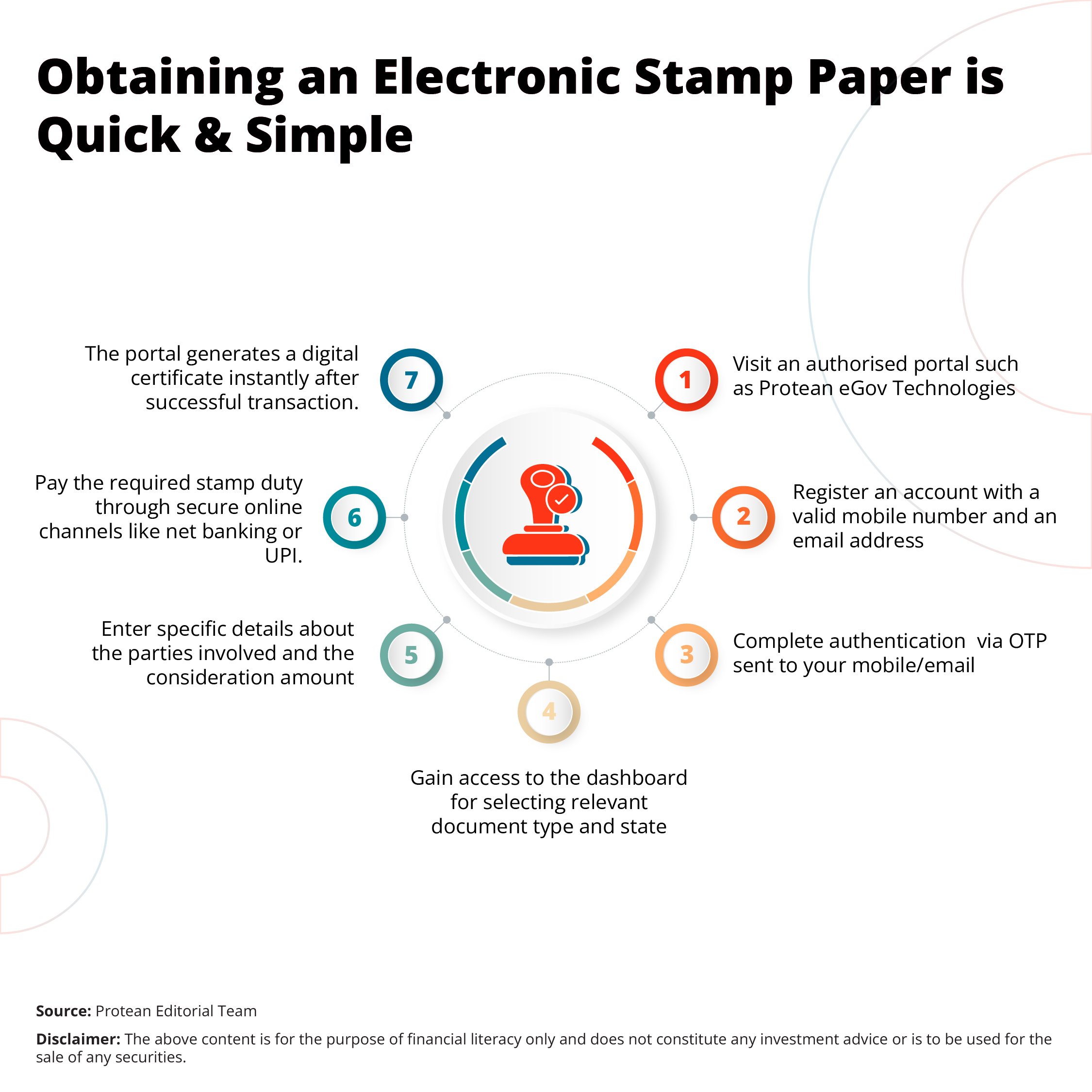
This eStamp is a digitally signed certificate. You can apply this to the final document. With the integration of Aadhaar eSign, your entire journey can become seamless and entirely remote.
Every completed document undergoes a signature validation to confirm that the identity of the signer matches the record.
Furthermore, the portal provides a feature for signature validation online. Here, the recipient of the document can verify the authenticity of the stamp and the e signature.
Global Shifts Toward Self-Assessment and Digital-Only Systems
International markets are preferring self-assessment models that favour the user over the bureaucracy.
Digital-only systems allow for cross-border transactions, once impossible due to logistical barriers. An Aadhaar eSign serves as a prime example of how localised identity systems power global business standards.
Organisations adopting e-signature strategies can support environmental ESG goals by enabling paperless operations. Moreover, a consistent signature validation framework can also build trust among international partners.
With all records in a machine-readable format, these digital-first protocols simplify the audit process for multinational corporations.
New Mandates and Deadline
State governments in Maharashtra, Karnataka, and Delhi mandate electronic systems for specific high-value transactions. Traditional stamp papers for property deeds and large-scale commercial leases are being phased toward electronic alternatives.
A failure to implement a proper e-signature workflow might result in the rejection of legal filings by sub-registrar offices. Regulatory bodies like SEBI and RBI emphasise secure signature validation to prevent financial crimes. Documents should include verifiable signatures to maintain legal admissibility under the IT Act.
You can consider integrating Aadhaar eSign APIs from trusted providers like Protean eGov Technologies Ltd for compliance.
Conclusion
The shift to e-stamping and digital signatures is a necessary evolution to safeguard your business against fraud and inefficiency. An Aadhaar eSign provides the security and convenience that physical paper simply cannot match.
Businesses can choose a comprehensive suite like eSignPro from Protean eGov Technologies. With this they can help their team to close deals faster and more securely.
Every instance of signature validation adds a layer of protection to your wealth and reputation.
A digital-first strategy can ensure that your documentation is always ready for a signature validation online check by any stakeholder.
Frequently Asked Questions
Q1: Is an e signature as safe as a physical signature for bank documents?
An e signature can be safer than a physical one because of the secure Aadhaar eSign system. This process uses advanced encryption and ensures that the document remains unchangeable once signed.
Q2: How do I perform a signature validation online for an e-stamped document?
You can perform a signature validation online by visiting the official portal of the Certifying Authority or the e-stamping agency. You can enter the Unique Identification Number or scan the QR code found on the certificate to get a document authenticity and integrity report.
Q3: What happens if the signature validation fails during a transaction?
A failed signature validation indicates that the document might have been altered or the signer's identity was not correctly verified. In such cases, the document loses its legal validity. Here, you need to immediately investigate the cause and re-initiate the Aadhaar eSign process to ensure compliance.
Q4: Can my business use an e signature for property registration in 2026?
Yes, most states in 2026 allow the use of an e signature for various property-related documents. However, you can ensure that the specific state government portal supports the integration of Aadhaar eSign for the registration process. Always check for a successful signature validation online before submitting the final deed.