Over the years, Aadhaar has evolved from a simple paper document into multiple accessible formats, including e-Aadhaar and the Aadhaar PVC card. Today, many citizens prefer carrying a compact Aadhaar version that is durable, easy to store, and convenient to use for everyday verification purposes.
The Aadhaar PVC card is a pocket-sized and long-lasting version of Aadhaar designed to improve portability and convenience. Compared to regular paper printouts, the PVC card is more durable and contains enhanced security features that help improve authenticity and usability.
What Is Aadhaar PVC Card?
The Aadhaar PVC card is an officially accepted Aadhaar format that contains the same Aadhaar number and demographic information as the regular Aadhaar document.
The card includes security features such as:
- Secure QR code
- Hologram
- Ghost image
- Micro text
- Issue and print dates
These features help improve durability and make the card easier to carry for daily use.
Also Read: Aadhaar Biometric Update After 5 & 15 Years |
Why Citizens Prefer PVC Aadhaar
Many citizens today prefer the Aadhaar PVC card because it offers several practical advantages.
- Some of the common benefits include:
- Easy wallet-sized portability
- Better durability compared to paper Aadhaar
- Resistance to water and wear
- Convenient usage during travel and verification
- Compact design for regular carrying
Unlike paper copies, the PVC card does not require lamination and is less likely to get damaged over time.
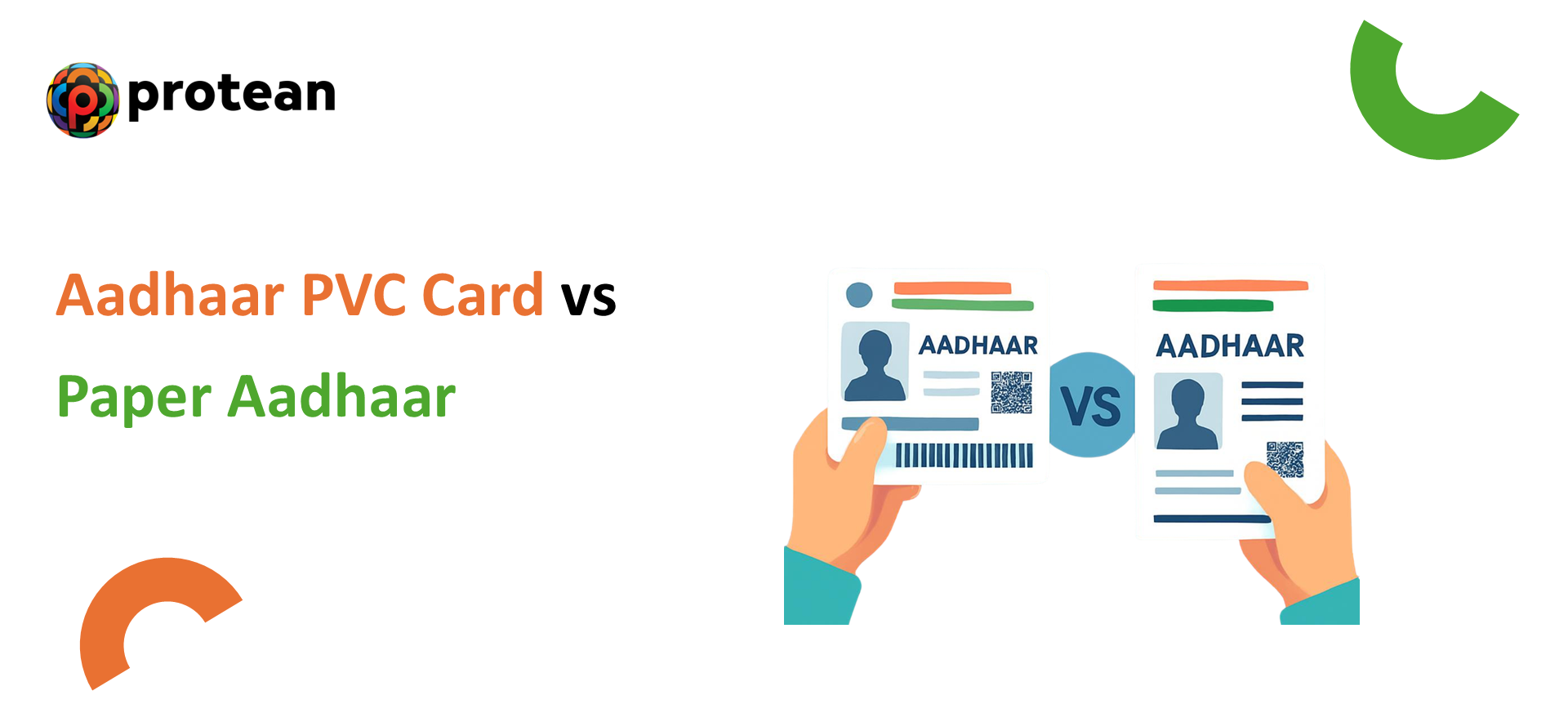
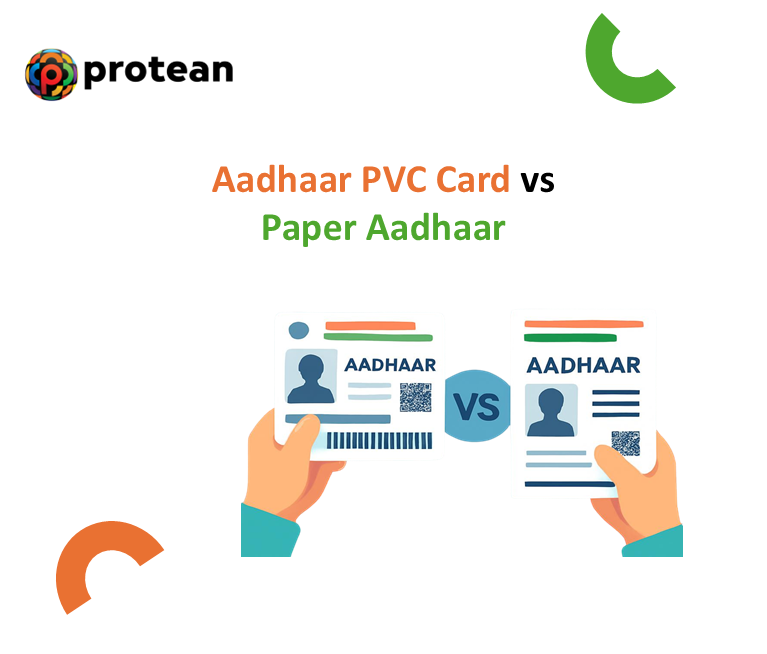
Difference Between PVC Aadhaar and Paper Aadhaar
While both versions contain the same Aadhaar information, there are some practical differences between the two formats.
Paper Aadhaar
- Larger in size
- Can tear or fade over time
- Usually requires lamination
- Less durable for long-term daily usage
PVC Aadhaar
- Compact and wallet-sized
- Durable and long-lasting
- Contain enhanced security features
- Convenient for regular carrying and travel
Despite these differences, both Aadhaar formats remain valid for KYC and identity verification purposes.
Also Read: How to Update Aadhaar Details Online and Offline |
Things Citizens Should Verify Before Ordering PVC Aadhaar
Before ordering an Aadhaar PVC card, citizens should first ensure that their Aadhaar details are accurate and updated.
Details that should be verified include:
✔ Correct spelling of name
✔ Updated residential address
✔ Active mobile number linkage
✔ Accurate date of birth
✔ Biometric update status if applicable
Incorrect information in Aadhaar may lead to inconvenience later, especially during banking or telecom verification.
Importance of Mobile Number Linkage
An active mobile number linked with Aadhaar is important because many Aadhaar-enabled services depend on OTP authentication.
Citizens may require OTP verification for
- Aadhaar download
- Address updates
- KYC verification
- Aadhaar authentication
- Tracking update status
If the registered mobile number is inactive, citizens may need to visit an Aadhaar update centre for correction and verification.
Also Read: Aadhaar Seva Kendra Locations and Operational Contact Details |
When Aadhaar Updates Become Necessary
Citizens may consider Aadhaar updates before ordering PVC Aadhaar if:
- Address has changed
- Mobile numbers are inactive
- There are spelling mistakes
- Biometrics require updating
- Demographic details are incorrect
Updating Aadhaar details beforehand helps avoid repeated corrections and reordering later.
Final Thoughts
The Aadhaar PVC card offers a durable and convenient way to carry Aadhaar for daily identity verification needs. Its compact size and enhanced usability make it increasingly popular among citizens.
However, regardless of whether citizens use paper Aadhaar, e-Aadhaar, or PVC Aadhaar, maintaining accurate and updated Aadhaar information remains equally important for smooth authentication, banking verification, telecom services, and government documentation processes.